



Court Valuations: How to Value a House for Family Law and Divorce Settlements
If you’re separating from a partner and there’s a house involved, you’ve probably already discovered that “what’s it worth?” is rarely a simple question. Your ex might think it’s worth what a real estate agent quoted last year. You might be looking at a different figure from a property website. Neither of those numbers is likely to hold up if your matter ends up in front of the Federal Circuit and Family Court of Australia.
That’s where court valuations come in. A family law property valuation — sometimes prepared as a Single Expert Witness report — is a formal, independent assessment of a property’s market value for family law proceedings. It’s not the same as a bank valuation, a real estate appraisal, or a figure you get from an online estimator, and using the wrong type of valuation is one of the most common (and costly) mistakes separating couples make.
This article walks through how court valuations actually work in Australia: who orders them, how the process runs, what a valuer looks at, what it costs, and where people typically get tripped up.
Summary
When a marriage or de facto relationship ends and there’s real estate to divide, the property first needs to be valued before anyone can talk sensibly about a settlement split. Australian family law strongly prefers a Single Expert Witness — one valuer, jointly appointed by both parties (or appointed by the court if they can’t agree), who provides an independent opinion of value that both sides rely on. This differs from ordinary litigation, where each side might bring its own expert.
The valuer inspects the property, considers recent comparable sales, and produces a written report that complies with the Federal Circuit and Family Court of Australia (Family Law) Rules and the Expert Witness Code of Conduct. The valuation date matters, the valuer’s independence matters, and the report needs to stand up to scrutiny if the matter proceeds to a hearing.
Key things to take away: courts aren’t bound by any single figure and can weigh the valuation against other evidence; values can shift between separation and settlement, so timing affects fairness; superannuation and other assets also need valuing, not just the house; and getting legal advice before commissioning a valuation avoids wasted cost. If you and your ex can agree on a valuer early, you’ll generally save time, money and conflict compared to fighting over dual “duelling” valuations later.
What Are Court Valuations in Family Law?
A court valuation is an independent, written opinion of a property’s current market value, prepared by a qualified valuer for the specific purpose of a family law property settlement. <cite index=”7-1″>The first step in working through a property settlement is identifying the asset pool of the parties — that’s all the property they own, whether it’s in sole names, joint names, or held through companies, trusts or superannuation.</cite> Once that pool is identified, everything in it needs a value attached, and real estate is usually the biggest-ticket item.
Where the parties can’t agree on what a property is worth, expert valuation evidence may be required and the court may order the appointment of an appropriate expert; where a value is agreed, the court may instead record that agreed value.
This is different from how valuation evidence works in most other types of litigation. <cite index=”6-1″>The Federal Circuit and Family Court requires that evidence about market value be given by a single expert witness specifically to keep proceedings efficient and reduce cost</cite> — rather than each side hiring their own valuer and arguing over whose figure is right.
Why Not Just Use a Real Estate Agent’s Appraisal?
A free agent appraisal is designed to help you decide on a listing price if you’re selling — it’s not an independent, arm’s-length opinion, and it won’t meet the court’s evidentiary requirements. Agents also have an incentive to give an attractive figure to win your listing. A court valuation, by contrast, is prepared by a valuer with no stake in the outcome, following a defined methodology, and it’s the kind of document a court (or your ex’s lawyer) will actually accept.
How the Single Expert Witness Process Works
<cite index=”7-1″>The Family Law Rules provide that, in the first instance, parties should try to agree on and jointly select an expert. If they can’t agree, the court may appoint one by order.</cite>
In practice, this generally looks like:
- You and your ex (or your lawyers) discuss and agree on a valuer. If you can’t agree, either party can ask the court to appoint one.
- Joint written instructions are sent to the valuer. <cite index=”10-1″>The single expert witness is appointed jointly by both parties, and the expert cannot take instructions from either party alone — all instructions must be in writing from both sides.</cite> This protects the valuer’s independence and stops either party from privately influencing the outcome.
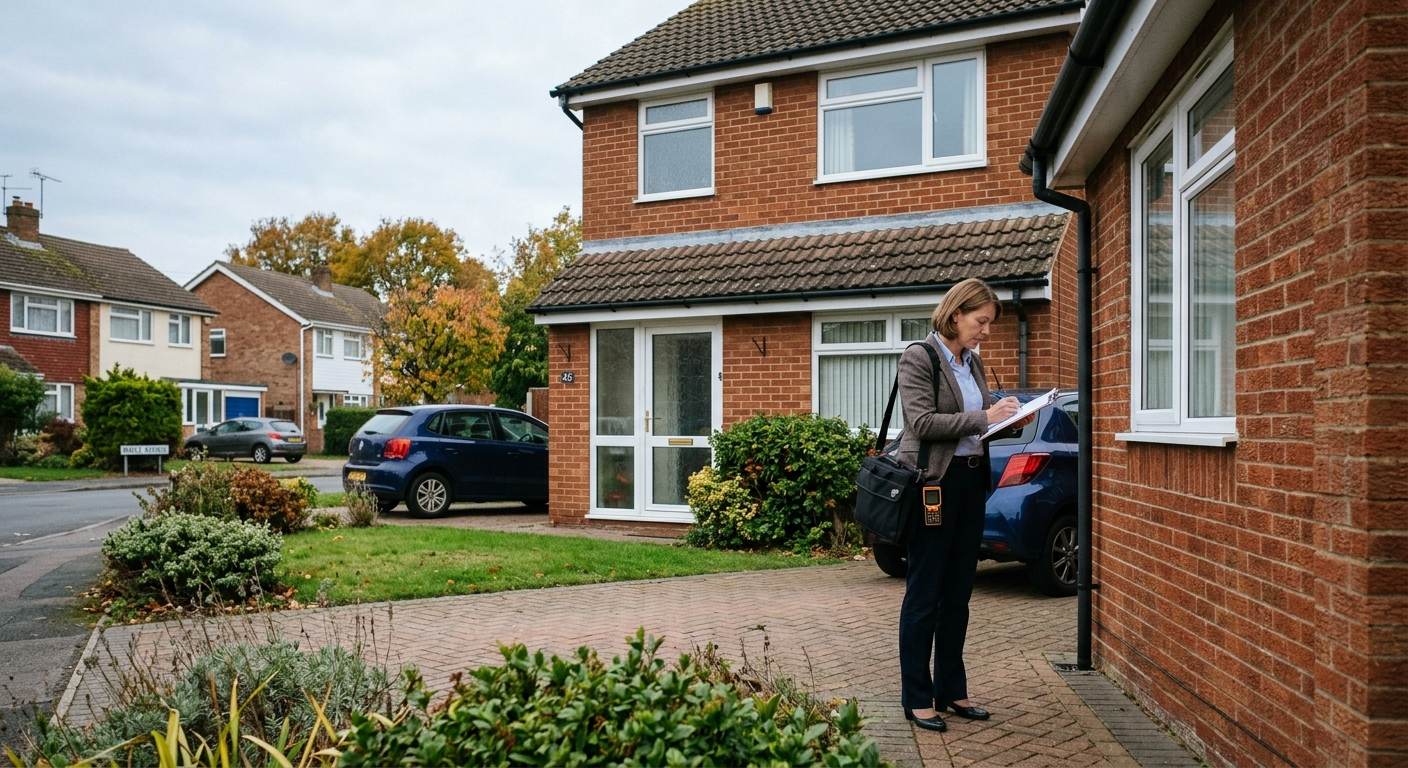
- The valuer inspects the property and researches the market, including comparable sales.
- <cite index=”7-1″>A draft report may be circulated first, so both parties can flag any factual errors or methodology concerns before the report is finalised.</cite>
- The final report is issued to both parties and, if the matter is before the court, filed as evidence.
If one party genuinely disagrees with the outcome, they can’t simply go and get a second opinion and expect the court to consider it. <cite index=”4-1″>If a party wants their own valuer to give evidence for litigation purposes, they generally need the court’s permission first.</cite> Courts are reluctant to allow “duelling valuations” because it drives up cost and rarely resolves the disagreement — it just gives the court two competing opinions to sort through instead of one.
What Standards Does the Valuer Have to Follow?
<cite index=”3-1″>Valuations prepared for the Federal Circuit and Family Court are conducted under the Federal Circuit and Family Court of Australia (Family Law) Rules and the Expert Witness Code of Conduct. The valuer’s duty is to provide independent expert evidence to the court — not to act as an advocate for either party</cite>, even though one or both parties may be paying for the report. This is a critical distinction: the valuer works for the court’s truth-finding process, not for whoever signs the invoice.
Valuers engaged for this work are usually Certified Practising Valuers registered with the Australian Property Institute, and many also hold API or RICS membership as a mark of professional standing.
Court Valuations vs Other Types of Property Valuation
It’s worth being clear about the difference, because using the wrong report type can mean starting again — and paying twice.
| Valuation Type | Purpose | Accepted for Family Law? |
| Real estate agent appraisal | Deciding a listing price | No — not independent enough |
| Bank/mortgage valuation | Assessing lending risk for a loan | Usually no — often conservative and desktop-based |
| Online estimate (automated) | Quick, general market indication | No — not property-specific or inspected |
| Council rates valuation | Local government rating purposes | No — different methodology and purpose |
| Family law (Single Expert Witness) valuation | Establishing market value for a property settlement | Yes, when compliant with the Family Law Rules |
A bank valuation, in particular, catches a lot of people out. It’s prepared to protect the lender, often without a full internal inspection, and can come in noticeably lower than genuine market value — not something you want underpinning your share of a settlement.
What Affects the Value of a House in a Family Law Settlement
A family law valuer considers broadly the same factors as any residential valuation, but with more attention paid to defensibility, since the report may need to withstand cross-examination.
- Location and land size — suburb, street position, zoning, and any development potential.
- Comparable sales — recent, genuinely similar sales nearby, adjusted for differences in condition, size and features.
- Condition and improvements — renovations, extensions, structural issues, and general upkeep.
- Market conditions at the valuation date — a property valued in a rising or falling market can look quite different a year later.
- Encumbrances — easements, heritage overlays, or anything restricting use.
- Income potential — for investment properties, rental yield and lease terms matter too.
Why the Valuation Date Matters So Much
One thing that trips a lot of people up: the date a property is valued as at can genuinely change the outcome of a settlement, especially in a fast-moving market. If separation happened two years ago but the valuation only occurs now, the property might have gained (or lost) significant value in the meantime.
Courts generally prefer a valuation date close to the time of the final hearing or settlement, rather than the date of separation, because it reflects each party’s true current position. If your matter has dragged on, it’s worth asking your lawyer whether an existing valuation needs updating — a stale report can distort what’s meant to be a fair split.
Superannuation and Other Assets Need Valuing Too
The house is often the headline item, but it’s rarely the only asset that needs independent valuation. Superannuation is treated as property under the Family Law Act and can be split between parties (Part VIIIB of the Act), which usually requires its own valuation process — particularly where one party holds a self-managed super fund (SMSF) with property inside it, since that property will need its own valuation.
Businesses, if either party owns one, typically need a forensic accountant rather than a property valuer. Vehicles, shares, and other significant assets may also need to be accounted for, even if they don’t require the same level of formal valuation.
What Does a Family Law Court Valuation Cost?
Costs vary depending on the property type, location, complexity and the valuer engaged, so it’s not something we’ll put a specific figure on here — your family lawyer or the valuer themselves can give you a quote based on your situation. What’s more consistent is who pays: <cite index=”6-1″>the cost of the valuer is generally borne by the parties, not the court.</cite> Where parties jointly instruct one valuer, this is often split between them, though the split can be negotiated or dealt with as part of the overall settlement.
Going down the path of separate, independently commissioned valuers (where the court has given permission) tends to cost more, since you’re paying for two full reports rather than sharing one — which is a large part of why the Single Expert Witness model is preferred.
What If You Disagree With the Valuation?
It happens — <cite index=”7-1″>it’s not unusual for one party to be satisfied with a valuation while the other isn’t.</cite> Your options at that point are limited but real:
- Raise concerns during the draft stage, if the valuer offered one, before the report is finalised.
- Ask questions of the valuer through your lawyer about methodology or comparable sales used.
- Seek the court’s permission to obtain a second valuation, though this is only granted in limited circumstances and adds cost and delay.
- Remember the court has the final say. <cite index=”10-1″>The court isn’t bound by the valuation report — it weighs all the evidence, including the valuation, and reaches its own conclusion about value based on what it considers fair.</cite>
Disagreeing with a number isn’t, by itself, grounds to throw the report out. The importance of reliable valuation evidence in legal disputes extends beyond family law, particularly where a property’s value may affect the outcome of a court matter.
Time Limits You Need to Know About
This isn’t strictly about valuations, but it catches enough people out that it’s worth flagging here: there are strict deadlines for starting a property settlement claim, and missing them can affect your ability to have the property valued and divided at all.
- Married couples: generally 12 months from the date your divorce order becomes final.
- De facto couples: generally 2 years from the date of separation.
Miss these windows and you’ll typically need the court’s leave (permission) to proceed, which isn’t guaranteed and usually requires showing hardship. If you’re getting close to either deadline, get legal advice promptly rather than waiting on a valuation to be finalised first.
Tax Considerations When Property Changes Hands
Where property is transferred between parties as part of a family law settlement, capital gains tax (CGT) can potentially apply — though rollover relief is often available for transfers made under court orders or a binding financial agreement, which can defer the CGT liability rather than triggering it immediately. Stamp duty exemptions may also apply in some states and territories for transfers arising from a relationship breakdown. These rules are genuinely complex and vary depending on your circumstances, so this is an area where you should get advice from an accountant or family lawyer rather than relying on a general summary — getting it wrong can be an expensive mistake.
Common Misconceptions About Court Valuations
“We’ll just split 50/50 based on what we paid for it.”
Purchase price is largely irrelevant. What matters is current market value, and that’s precisely why an independent valuation is needed — original cost tells you nothing about today’s worth.
“An online estimate is close enough.”
Automated estimates aren’t property-specific, don’t account for renovations or condition, and won’t be accepted as evidence.
“I can just get my own valuer if I don’t like the result.”
As covered above, you generally need the court’s permission first, and it’s not routinely granted.
“The valuation is the final word on price.”
It’s evidence the court considers — not an automatic determination — though in practice it carries significant weight and most settlements are built around it.
FAQs
Do both parties have to pay for the valuation?
Usually yes, in a Single Expert Witness arrangement — the cost is typically shared between the parties, though this can be negotiated or factored into the final settlement.
Can I use a valuation I already got for my mortgage refinance?
Generally no. Bank valuations aren’t prepared to family law standards and are usually not accepted as independent evidence in proceedings.
How long does a court valuation take?
It varies with the valuer’s workload and property complexity, but a straightforward residential valuation report often takes a few weeks from instruction to delivery. Your family lawyer can give you a realistic timeframe for your matter.
What if my ex and I can’t agree on a valuer at all?
Either party can ask the Federal Circuit and Family Court to appoint one. This is generally slower and more formal than agreeing between yourselves, so it’s usually worth trying to reach agreement first.
Does the valuation need updating if our case drags on for years?
Often yes. If there’s been significant time or market movement since the original valuation, courts generally prefer a value closer to the date of the final hearing or settlement.
Is a family law valuation the same as a valuation for probate or a will dispute?
No — while the general valuation methodology overlaps, each is prepared for a different legal purpose and different evidentiary rules, so a valuation prepared for one purpose won’t necessarily be accepted for another.
Conclusion
Getting the value of a property right is one of the most important — and most contested — steps in any Australian family law settlement. A properly instructed Single Expert Witness valuation, prepared to the Family Law Rules, gives both parties (and the court) a figure they can actually rely on. Get legal advice early, agree on a valuer where possible, and keep the valuation date current to your matter’s timeline.
Need an Independent Family Law Valuation?
If you’re working through a property settlement and need a formal valuation that meets Federal Circuit and Family Court requirements, Expert Court Property Valuers can prepare independent, Single Expert Witness reports for family law matters across Australia. You can reach the team on +61 438 080 786 to discuss your property and what’s involved.