



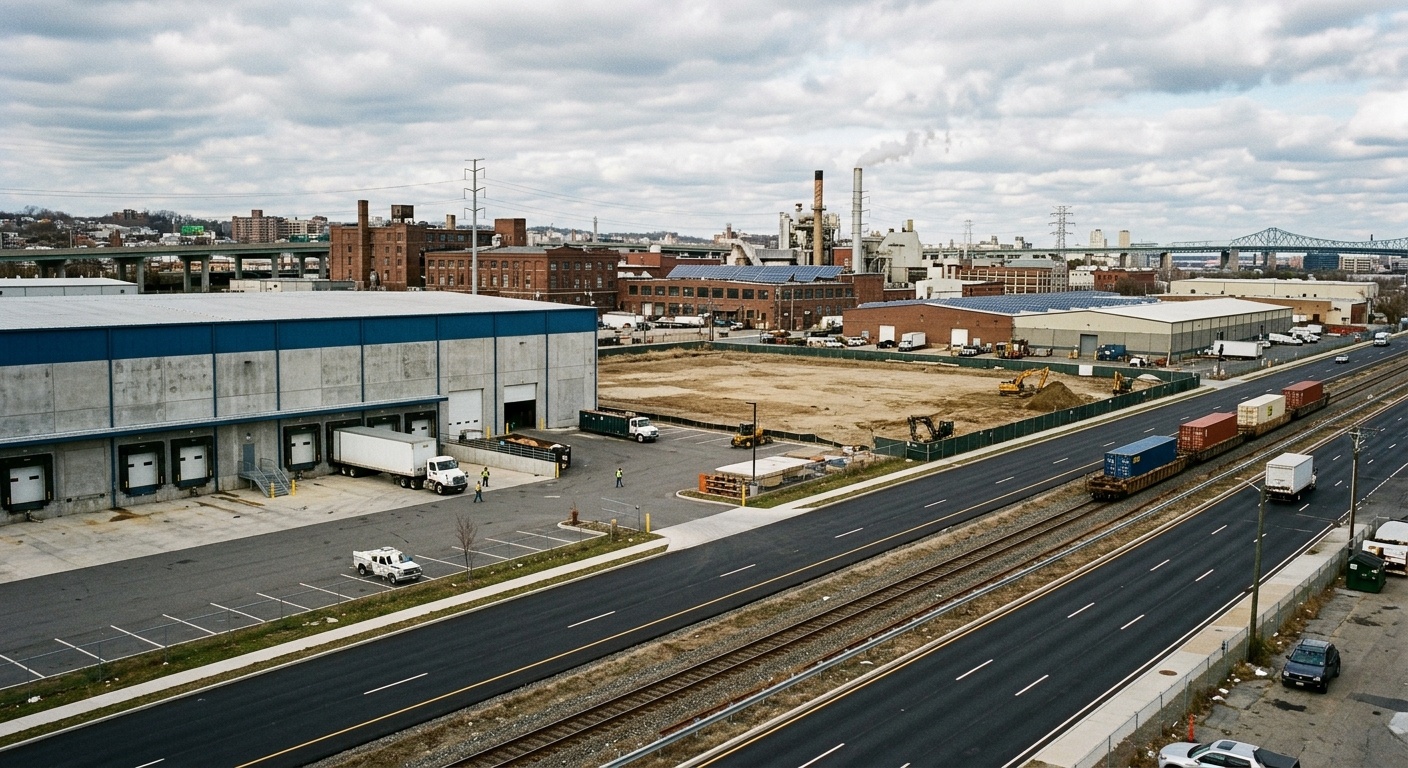
7 Key Factors That Impact Industrial Property Value in Australia
Industrial property has become one of the most sought-after asset classes across Australia. Whether you’re eyeing a logistics warehouse in Western Sydney, a light manufacturing facility in Melbourne’s outer north, or a trade-service unit in Brisbane, figuring out what makes these assets tick is crucial.
If you own an industrial site, are looking to buy, or need a commercial property assessment for tax, SMSF, or legal purposes, understanding how the market values these bricks and mortar matters. Unlike residential property, where emotional appeal and local school zones drive prices, industrial real estate is fundamentally about cold, hard business utility: how efficiently can a tenant run operations from the site?
Article Summary
Industrial property valuation relies heavily on a property’s operational efficiency, income-generating potential, and physical utility. Key value drivers include strategic location near major transport links, flexible zoning, strong lease covenants, high clearance heights, and solid building specs.
Market values fluctuate based on yields, interest rates, and local supply constraints. Property owners and investors should look closely at tenancy terms, environmental compliance, and functional layout to gauge true market worth, often utilizing independent valuations for financing, family law, or asset reporting.
What Drives an Industrial Property Valuation?
When a certified property valuer assesses a warehouse, factory, or logistics depot, they don’t just look at comparable sales per square metre. They look at how well the asset generates income and suits modern business needs.
Industrial property valuation may draw on three principal valuation approaches: the market approach, income approach and cost approach, with appropriate methods selected according to the property, purpose and available evidence. Let’s look at the seven primary factors that heavily sway these calculations.
1. Location and Transport Connectivity
In industrial property, transport access is king. A facility’s proximity to major arterial roads, freight routes, container ports, airports, and intermodal terminals dictates its desirability.
- The Logistics Edge: Properties within major Australian hubs like Port Botany in Sydney, the Port of Melbourne, or the Australia TradeCoast in Brisbane command higher values because they cut freight and cartage costs.
- Last-Mile Advantage: With the boom in e-commerce, smaller infill industrial sites close to inner-city residential populations have skyrocketed in value due to fast last-mile delivery demand.
2. Zoning and Local Council Permissions
An asset’s legal utility is entirely bound by its local environmental planning instrument or council planning scheme (such as state-specific SEPPs or local LEPs in NSW, or planning schemes in Victoria and Queensland).
- Permitted Uses: General industrial (IN1/IN2 style zones) versus light industrial or business parks change who can lease the space.
- Operational Freedom: Properties with 24/7 operating approvals, heavy vehicle (B-double) access routes, and permissions for hazardous goods storage or manufacturing hold a distinct market premium over sites constrained by tight council curfews.
3. Lease Covenants and Income Security
For commercial and industrial investors, the tenant is often worth more than the physical building. A thorough industrial property valuation weighs the strength and structure of the existing tenancy agreements.
- WALE (Weighted Average Lease Expiry): A long WALE with corporate or government tenants provides secure cash flow, boosting the property’s capital value.
- Rental Structures: Annual fixed rent reviews (e.g., 3% to 4% bumps) or CPI-linked increases make an asset much more attractive to institutional and private buyers alike.
- Outgoings Recovery: Net leases, where the tenant pays council rates, insurance, and maintenance, generally yield higher valuations than gross leases.
4. Site Layout, Hardstand, and Truck Reticulation
How trucks and machinery move around a site can make or break its market value. Modern logistics operators require specific functional layouts.
- Hardstand Space: Adequate concrete or bitumen hardstand for container drop-offs, truck marshalling, and fleet parking is essential. Sites with low site coverage (plenty of open yard space relative to building size) are increasingly rare and valuable.
- Drive-Around Access: B-double or semi-trailer drive-around capability eliminates reversing bottlenecks, lifting the utility and rent potential of the warehouse.
5. Building Specifications and Functional Utility
The physical characteristics of the warehouse or factory dictate which tenants will compete for the space. Outdated, low-clearance buildings face higher vacancy risks.
- Clearance Heights: Modern warehousing demands high internal clearance (ideally 9 metres to over 13 metres for high-bay racking and automated storage systems).
- Floor Load Capacities: Heavy-duty slab construction capable of handling fork-lifts and heavy machinery racking is vital for manufacturing.
- Loading Infrastructure: On-grade roller shutter doors, recessed loading docks, and cantilevered awnings for all-weather loading protect goods and speed up freight handling.
6. Environmental Status and Contamination History
Industrial sites carry unique environmental risks. Valuers and lenders look closely at past and present land use to identify potential liabilities.
- Contamination Risks: Previous uses such as chemical storage, auto-wrecking, heavy manufacturing, or fuel distribution can leave behind soil or groundwater contamination.
- Remediation Costs: Significant contamination requires costly environmental management plans or clean-ups. A clean environmental audit report is crucial for securing finance and maintaining top-tier property value.
7. Market Supply, Demand, and Yield Compression
Macroeconomic conditions and local supply dynamics heavily influence how industrial property is priced in the broader market.
- Land Constraints: Cities like Sydney face strict geographical and planning barriers to new industrial land supply, keeping vacancy rates low and capital values firm.
- Cap Rates (Capitalisation Rates): Driven by interest rates and investor demand, shifting yields directly affect property valuations. Even if a building’s physical state doesn’t change, shifting market yields can alter its value, making independent expert valuation evidence particularly important when the figure is being challenged in a legal matter.
Frequently Asked Questions
How often should an industrial property be valued?
It depends on the purpose. For financial reporting, SMSF compliance, or asset auditing, properties are typically valued annually or every three years. For sales, leasing negotiations, or family law settlements, an up-to-date valuation reflects current market shifts.
What is the difference between market value and replacement cost for a warehouse?
Market value is what a willing buyer would pay a willing seller in the current open market, factoring in income and location. Replacement cost calculates what it would cost to buy the land today and rebuild the facility from scratch, minus depreciation. Valuers use different approaches depending on whether the property is vacant or income-producing.
How do council restrictions impact industrial land value?
If a council restricts operating hours, limits heavy vehicle access, or disallows certain manufacturing classes, the pool of potential tenants shrinks. Smaller tenant demand directly translates to lower rental yields and reduced property value.
Why do industrial valuations differ from residential valuations?
Residential properties are valued primarily on lifestyle appeal, bedroom counts, and recent comparable home sales. Industrial properties are treated essentially as commercial income-generating businesses; their value is tied directly to logistics efficiency, lease terms, and return on investment (ROI).
Conclusion
Industrial property value is driven by a mix of location, functional design, and secure income streams. Whether you’re assessing a logistics hub or a suburban workshop, looking at these core factors helps clarify what the market will support.
When you need certainty for tax, legal, or financial purposes, an independent valuation cuts through guesswork and provides a clear, evidence-based assessment of market worth.
If you need a professional, independent valuation for your industrial property, get in touch with our team at Expert Court Property Valuers on +61 438 080 786 to discuss how we can assist with your specific valuation requirements.